What Does Outgoing Call Mean? An A2P Calling Guide
Phone calls remain one of the fastest ways for businesses to communicate with customers. Whether a sales representative contacts a prospect, a support agent returns a customer’s call, or a healthcare provider confirms an appointment, these interactions are known as outgoing calls.
If you’re new to business phone systems or VoIP, you may have seen terms like outgoing calls, incoming calls, missed calls, and cancelled calls. Understanding what these terms mean can help you use your phone system more effectively.
In this guide, you’ll learn what an outgoing call means, how it works, how it differs from an incoming call, why it matters for businesses, and how modern VoIP systems make outgoing calling more efficient.
Outgoing Call Meaning
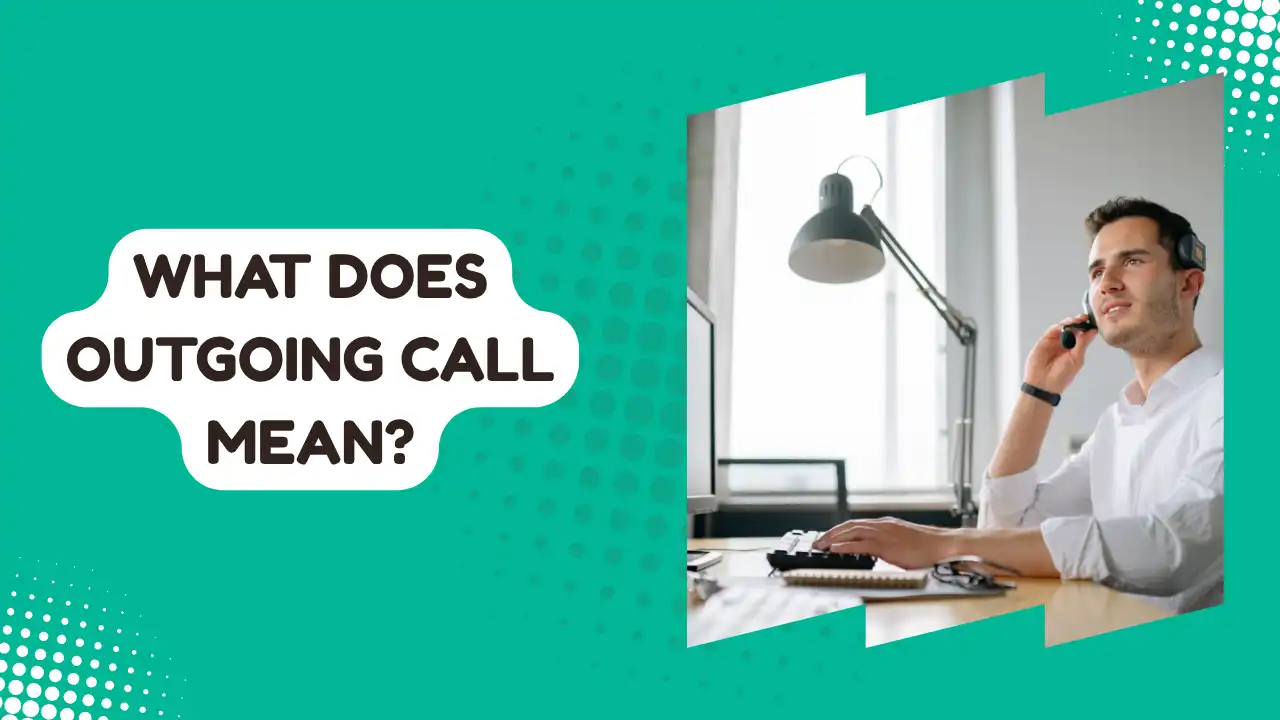
An outgoing call is a phone call that is started by the caller. In simple words, whenever you dial someone’s phone number and place a call, you are making an outgoing call. The person receiving your call sees it as an incoming call.
This definition is widely used across traditional phone networks, mobile devices, and VoIP systems.
For example:
- Calling a customer to confirm an appointment
- Contacting a supplier
- Calling technical support
- Following up with a sales lead
- Speaking with a friend or family member
In business communication, outgoing calls are usually made to customers, prospects, vendors, or partners. They help companies communicate proactively instead of waiting for customers to contact them first.
Outgoing Call vs. Incoming Call
Although both involve voice communication, the main difference is who starts the conversation.
| Feature | Outgoing Call | Incoming Call |
| Who starts the call? | The caller | Another person |
| Purpose | Sales, follow-ups, reminders, support | Customer inquiries, support requests, complaints |
| Direction | From your phone to another person | From another person to your phone |
| Business Example | Sales representative calls a lead | Customer calls customer support |
Example
Imagine a customer has requested a product demo.
- If your sales representative calls the customer, it is an outgoing call.
- If the customer calls your business first, it is an incoming call.
How Does an Outgoing Call Work?
The process behind an outgoing call is straightforward, although the technology varies between traditional phone lines and VoIP systems.
Step 1: Dial a Phone Number
The caller enters the recipient’s phone number or selects a saved contact.
Step 2: The Phone System Processes the Request
The phone network or VoIP provider receives the request and routes the call toward the recipient’s network.
Step 3: The Recipient’s Device Rings
Once the destination network finds the recipient, their phone begins ringing.
Step 4: The Call Connects
If the recipient answers, a voice connection is established and both parties can communicate.
Importance of Outgoing Calls in Business
Even with email, live chat, and messaging apps, phone calls remain one of the most effective communication channels for businesses because they provide immediate, two-way conversations.
i. Sales Outreach
Sales teams make outgoing calls to introduce products, qualify leads, and schedule demonstrations.
ii. Customer Follow-ups
Businesses contact customers after purchases to answer questions, collect feedback, or ensure customer satisfaction.
iii. Appointment Reminders
Healthcare providers, salons, and service businesses use outgoing calls to remind customers about upcoming appointments.
iv. Customer Support
Support teams often return missed calls or contact customers after support tickets are created.
v. Payment Notifications
Finance teams call customers regarding invoices, payment confirmations, or billing issues.
vi. Stronger Customer Relationships
Speaking directly with customers helps build trust and allows businesses to resolve issues faster than long email conversations.
Types of Outgoing Calls
Businesses make different kinds of outgoing calls depending on their communication goals.
i. Manual Outgoing Calls
Employees dial each number themselves. These calls are common in small businesses and customer support teams.
ii. Sales Calls
Sales representatives contact potential customers to generate new business opportunities and close deals.
iii. Follow-up Calls
These calls are made after meetings, purchases, support requests, or product demonstrations.
iv. Appointment Reminder Calls
Healthcare clinics, consultants, and service providers use outgoing calls to reduce missed appointments.
v. Automated Outgoing Calls
Businesses can use automated dialing systems to send reminders, surveys, or notifications to many customers at once.
vi. Customer Service Callbacks
Support agents call customers after receiving support requests or voicemail messages.
Outgoing Calls in VoIP Systems
Modern businesses increasingly use VoIP (Voice over Internet Protocol) systems instead of traditional phone lines.
VoIP sends voice over the internet, allowing companies to make and receive calls from almost anywhere while reducing communication costs.
A VoIP system also adds features that improve outgoing calling efficiency.
i. Click-to-Call
Agents can place calls directly from their CRM or browser without manually dialing numbers.
ii. Caller ID
Businesses display their company number instead of a personal mobile number.
iii. Call Recording
Managers can review conversations for training, quality assurance, and compliance.
iv. Call Analytics
Track call volume, duration, connection rates, and agent performance.
v. CRM Integration
Customer details automatically appear during calls, helping agents deliver more personalized conversations.
vi. Auto Dialers
Sales teams can automatically dial contact lists, reducing manual work and increasing productivity.
vii. Mobile and Remote Calling
Employees can make business calls from laptops or smartphones while keeping the company’s business number.
FAQs – Outgoing Call
1- What does an outgoing call mean?
An outgoing call is any phone call that you start by dialing another person’s phone number. The person receiving it sees it as an incoming call.
2- Is an outgoing call the same as an outbound call?
Yes. In business communication, the terms outgoing call and outbound call are commonly used interchangeably.
3- Are outgoing calls important for businesses?
Yes. Businesses rely on outgoing calls for sales, customer support, appointment reminders, follow-ups, surveys, and customer relationship management.
4- Can VoIP systems make outgoing calls?
Yes. VoIP systems support outgoing calls over the internet and often include advanced features such as call recording, CRM integration, analytics, auto dialers, and caller ID.
Final Words – Outgoing Call
An outgoing call is simply a call that you initiate to another person. While the concept is straightforward, outgoing calls play a major role in business communication. Companies use them to generate leads, support customers, confirm appointments, and strengthen customer relationships.
With A2P Calling VoIP phone systems, businesses can go beyond basic calling by using features like CRM integration, call recording, analytics, and automated dialing.
These capabilities help teams work more efficiently while delivering a better customer experience.
Read More : How to Stop Spam Calls: Effective Ways to Block Unwanted Calls in 2026